

Shopify merchants like you know the problem is no longer getting shoppers online across India and similar mobile-first markets. These buyers compare products, ask about delivery, and expect clear answers before paying online or via COD.
The problem arises when product questions, COD inquiries, delivery updates, and abandoned carts are scattered across separate tools. Your teams lose context. A buyer waits, a cart cools, and support work piles up during peak sales periods.
And with the conversational commerce market estimated at $22.56 billion by 2031, the choice is no longer experimental. This guide evaluates conversational commerce companies and their benefits for Shopify merchants who want chat to increase revenue, not just answer FAQs. You will see how top options support WhatsApp conversations, Shopify workflows, automation, analytics, and delivery communication.
Conversational commerce companies help you sell, support, and guide shoppers through chat channels. Instead of asking customers to navigate product pages on their own, these platforms enable two-way conversation. Shoppers can ask questions, get product suggestions, receive payment links, complete purchases, track orders, or reach an agent inside one conversation.
A conversational commerce platform usually brings four parts together:
This is different from a basic chatbot. A chatbot may answer FAQs like “Where is my order?” or “What is your return policy?” A conversational commerce company connects those replies to the buying journey.
Conversational commerce companies help you turn active customer questions into sales and support moments. They bring product discovery, checkout help, order updates, and follow-ups into chat channels like WhatsApp. This means fewer lost buyers, faster replies, and smoother paths from interest to purchase. The prime benefits include:
Shoppers often ask about size, stock, delivery dates, return rules, or COD before buying. Conversational commerce keeps these questions close to the buying moment across WhatsApp, website chat, Instagram, or Facebook Messenger. It also keeps context connected, so customers do not repeat product questions, order details, or support history across channels.
Many customers do not want to browse large product pages without help. They want suggestions based on what they need, their budget, or their previous purchase. A conversational commerce platform can guide shoppers with product recommendations and real-time answers. With WhatsApp Catalog, you can also show synced products inside WhatsApp, helping customers move from interest to purchase faster.
A shopper may leave checkout because of a payment doubt, COD question, shipping concern, or product confusion. Automated WhatsApp reminders can bring that shopper back while the intent is still active. The message can answer the likely concern, share the right product detail, or guide the buyer back to checkout.
COD orders need clear confirmation, tracking, and follow-up to reduce failed deliveries. For India-first Shopify merchants, this affects revenue and logistics costs. Logistics integration with conversational commerce platforms helps you manage COD confirmation and delivery communication. Customers get updates faster, while teams spend less time manually chasing order status.
Small teams often answer the same questions every day across channels. AI agents and automated flows can handle routine questions without waiting for a human agent. They can support FAQs, order updates, COD confirmations, shipping updates, reorder reminders, and review requests. This helps teams respond faster while saving human agents for complex or high-value conversations.
Chat-based journeys are ideal for suggesting related products based on customer intent. For example, a skincare store can recommend a cleanser and a moisturizer in the same WhatsApp conversation.
Brands selling across India, Brazil, South America, the Middle East, and Western Europe often need to support different languages. AI agents can answer routine questions in local languages, helping shoppers feel understood.
Each conversational commerce company serves a different e-commerce need. Some are built for AI support, while others focus on WhatsApp selling, campaign messages, or deeper store workflows. For Shopify merchants, the real comparison is not just feature count. It is how well each provider helps customers discover products, ask questions, complete orders, recover abandoned checkouts, and stay informed after purchase.
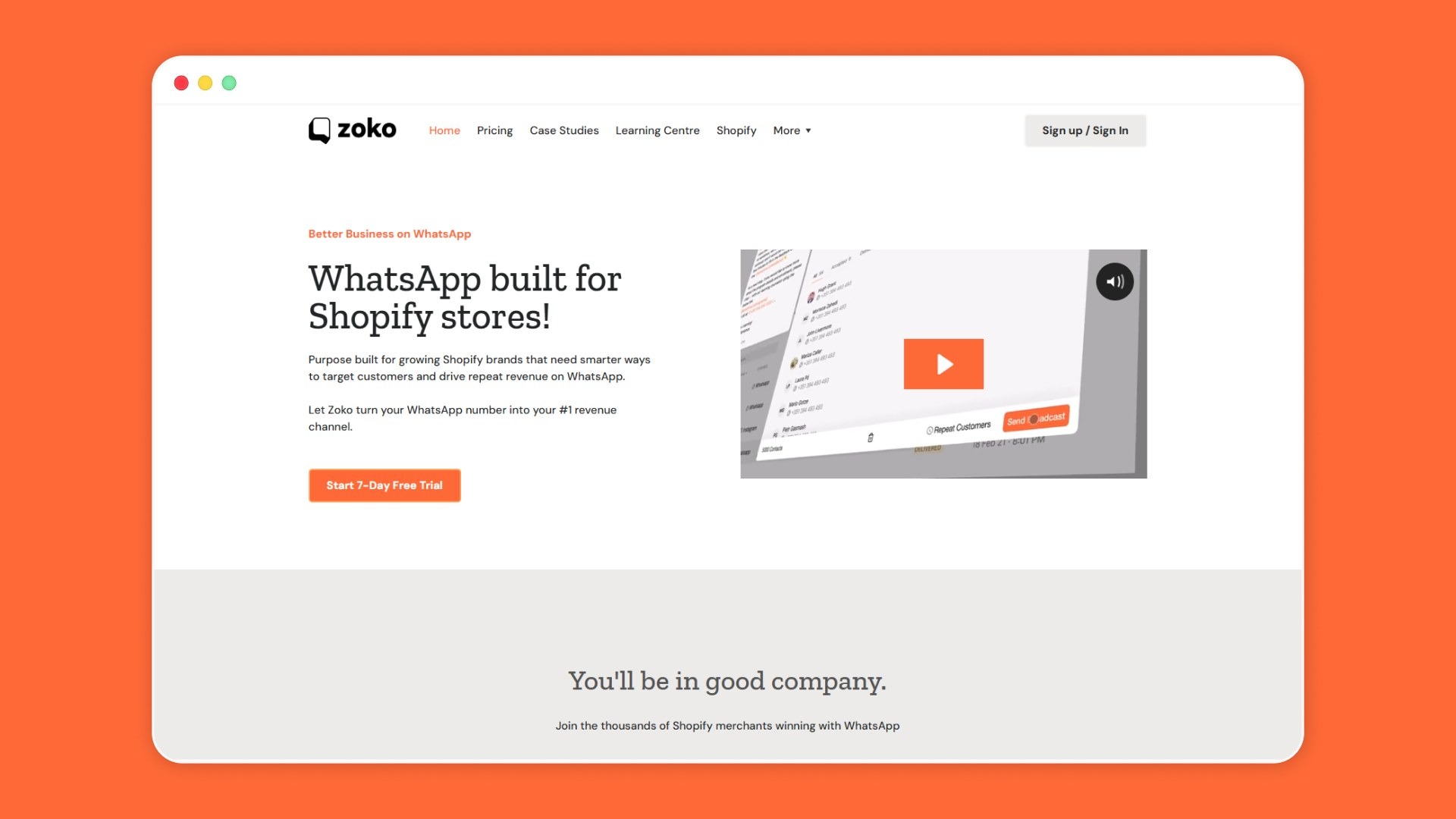
Zoko is a Shopify-focused WhatsApp commerce platform for brands that want conversations to support sales, marketing, support, and post-purchase engagement. It connects Shopify with WhatsApp Business, helping you manage product discovery, customer chats, cart recovery, COD confirmations, delivery updates, and campaign messages from one WhatsApp-first system. It is an Official Meta Business Partner.
Ideal for: Shopify merchants seeking a conversational commerce company built specifically for WhatsApp-based workflows.
Key features:
Brand wins powered by Zoko:
Pricing: Zoko offers a 7-day free trial with no contracts and cancel-anytime plans, plus optional add-ons. Current paid plans include:
Book a demo to see how Zoko can fit your Shopify store’s sales, support, COD, and WhatsApp automation workflows.

Gorgias is a helpdesk-first conversational commerce platform built for e-commerce support teams. It is a strong fit for Shopify merchants who want to manage tickets, customer context, AI replies, and order-related support from a single place. Gorgias works best when the main goal is faster support and lower ticket volume, not WhatsApp-first selling.
Key features:
Potential drawbacks:
Pricing: Gorgias pricing is based on monthly ticket volume. Current monthly plans range from $10 to $900, billed monthly, with custom enterprise pricing available. AI Agent costs $1.00 per resolved conversation.
Also Read: Comparison Gorgias vs Zoko
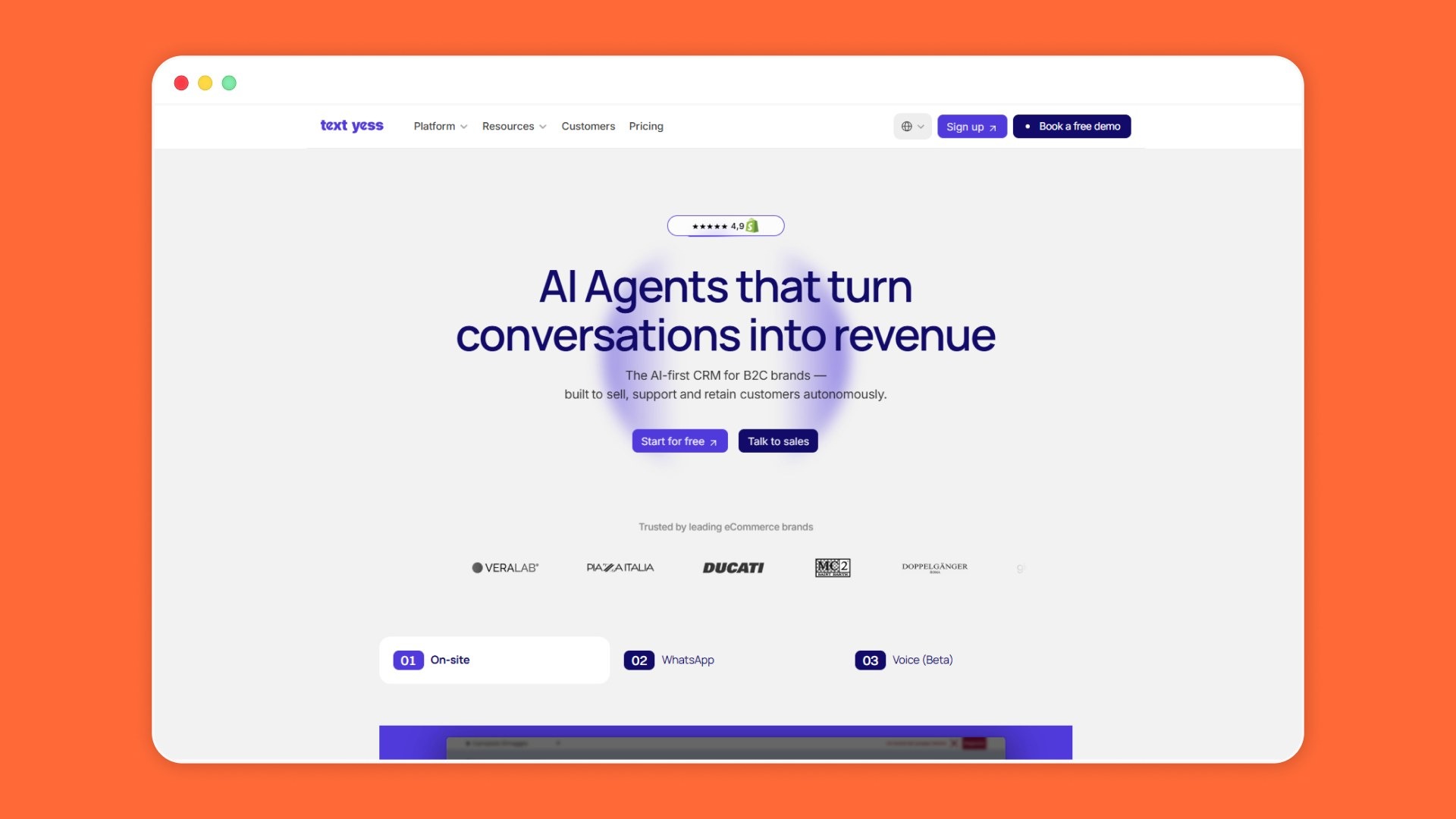
TextYess is an AI-first conversational commerce company for e-commerce brands that want automated sales and support across on-site chat, WhatsApp, and voice. It connects with the store to sync product, order, and customer data, so AI agents can answer buying questions with live commerce context.
Key features:
Potential drawbacks:
Pricing: TextYess pricing starts at €249/month for the Pro plan, billed monthly, with the first channel included (WhatsApp) and additional channels at €100/month each. Enterprise plans are available with custom pricing.
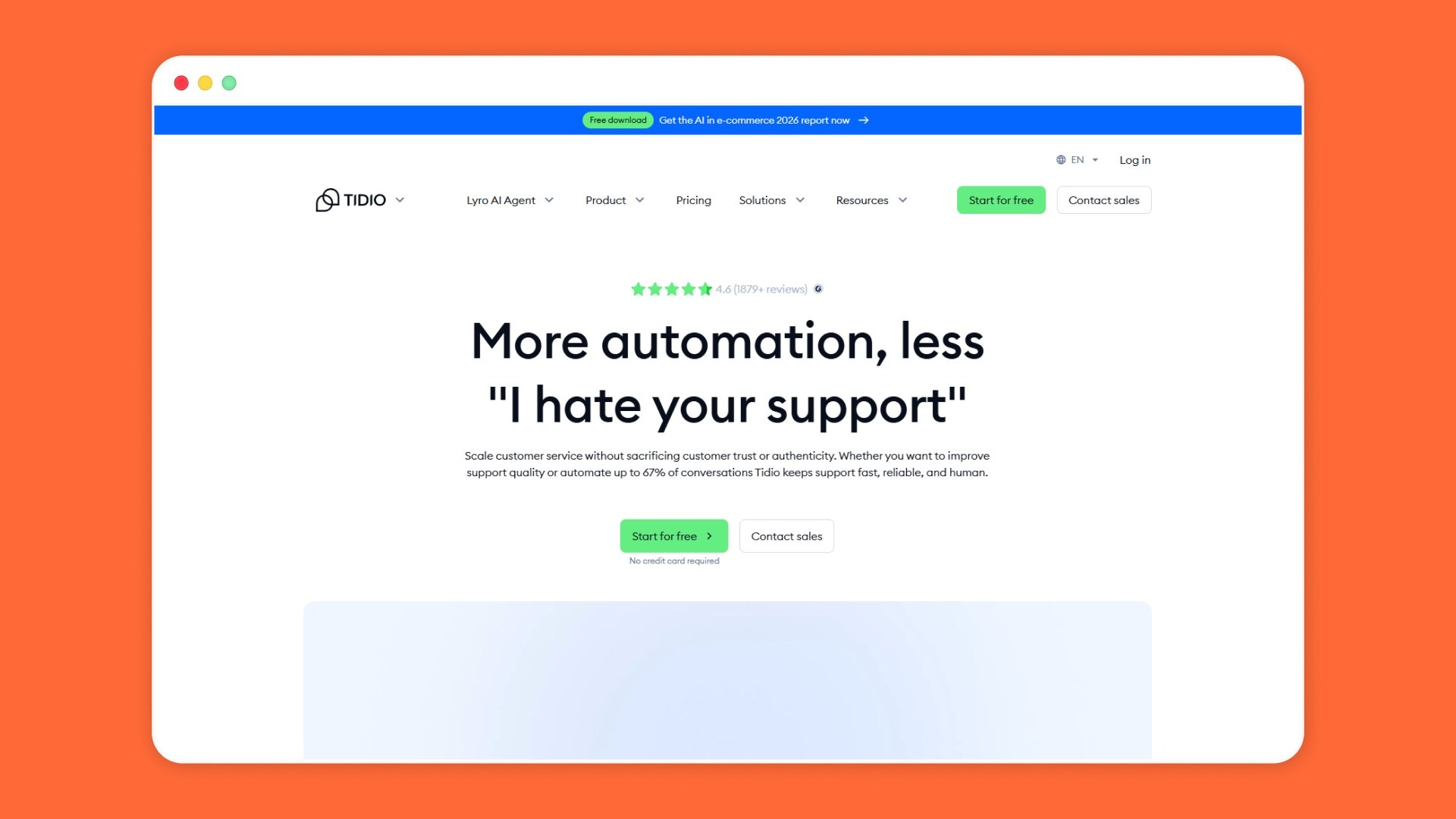
Tidio is a live chat and customer service automation platform for stores that want faster replies without a complex setup. It combines live chat, help desk tools, Flows, and the Lyro AI Agent, making it useful for Shopify merchants who need basic sales assistance, lead capture, and support automation in one workspace.
Key features:
Potential drawbacks:
Pricing: Tidio offers a Free plan. Paid monthly plans include Starter at $29/month, Growth from $59/month, Plus from $749/month, and Premium with custom pricing. A 7-day free trial is available.
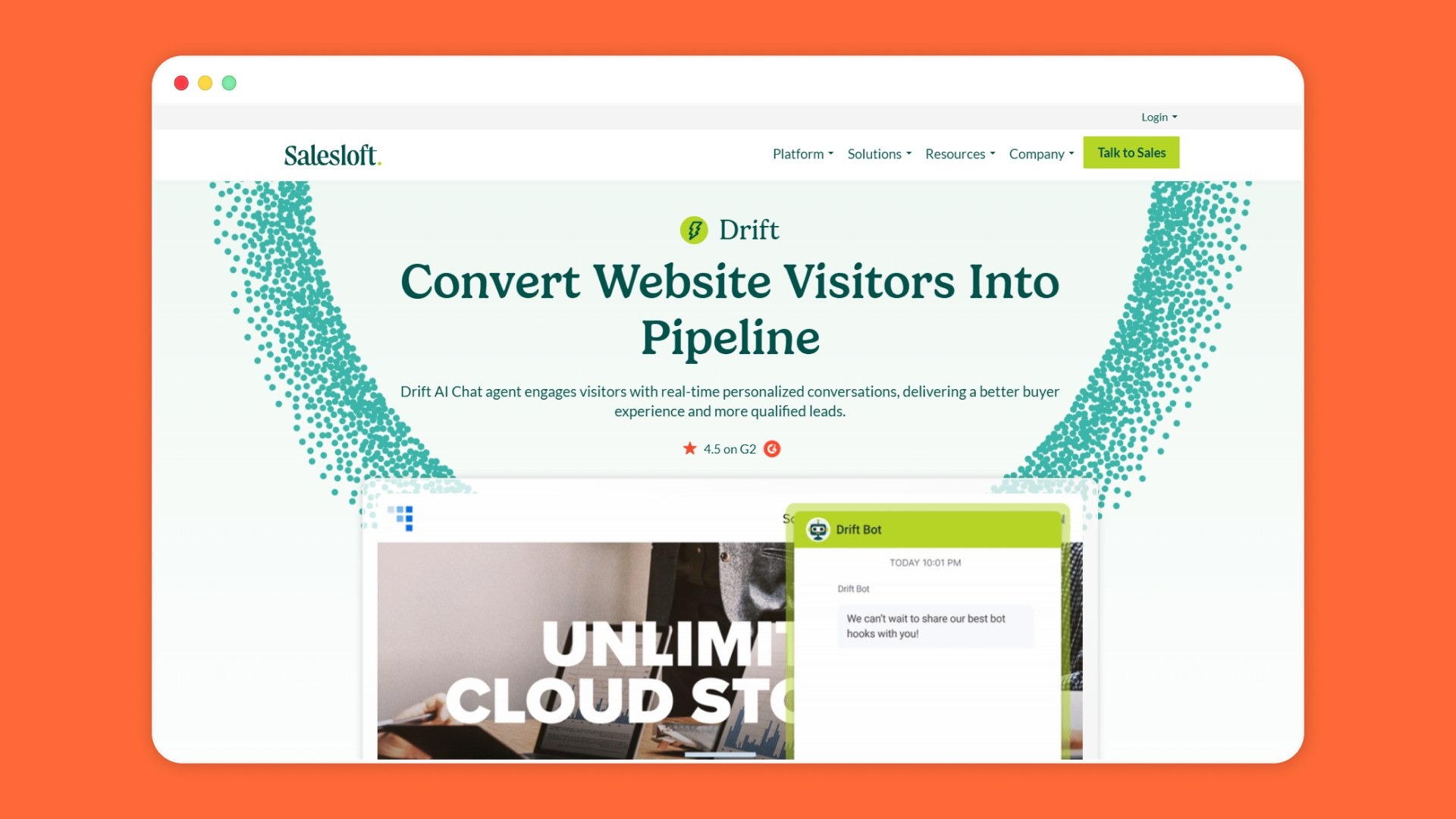
Drift, now part of Salesloft, is a conversational marketing and AI chat platform built to turn website visitors into qualified pipeline. Drift is more focused on B2B-style buyer engagement than Shopify-first WhatsApp commerce.
Key features:
Potential drawbacks:
Pricing: Salesloft uses custom pricing for its packages. Account agents and Forecast are listed as add-ons.
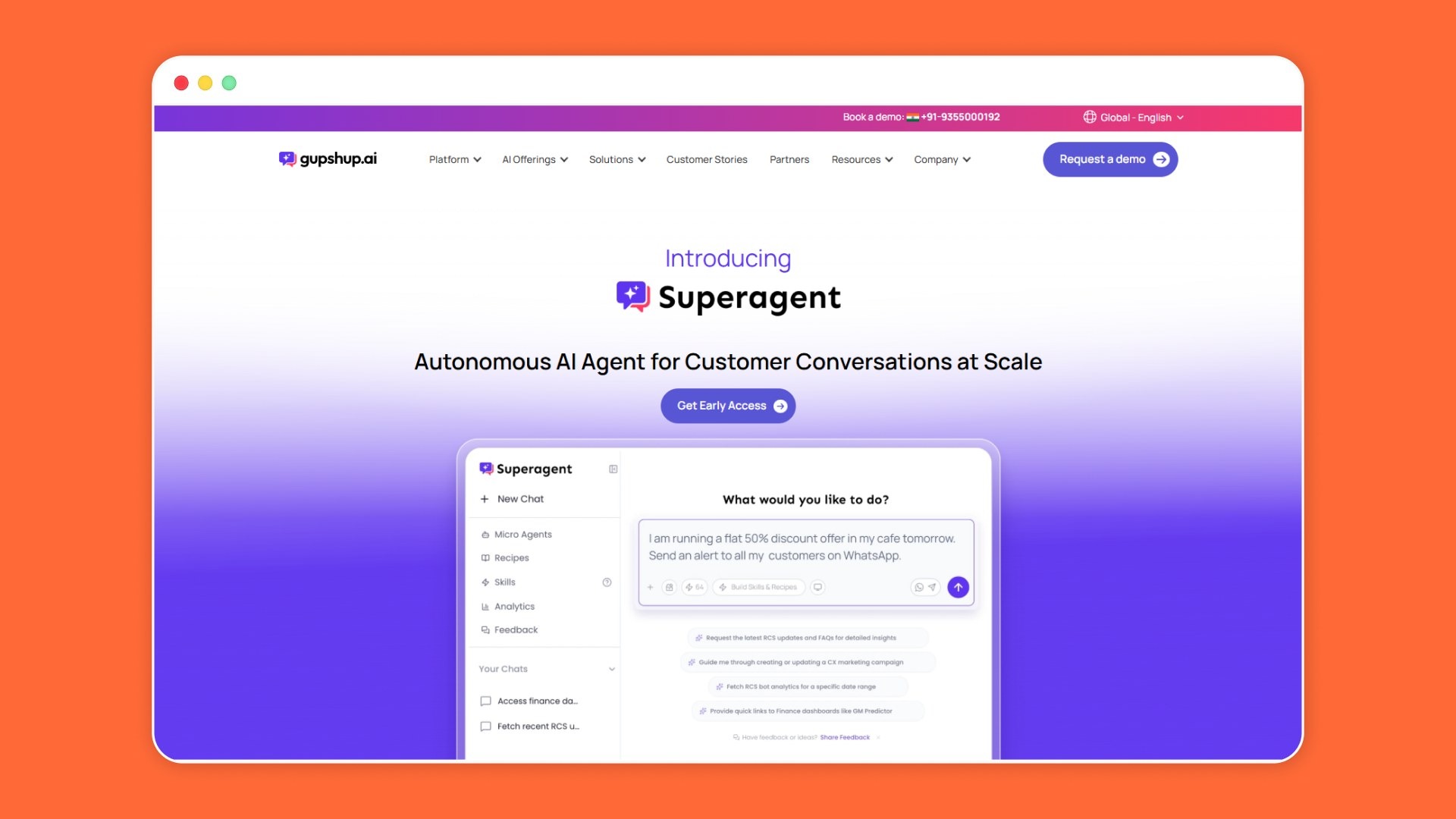
Gupshup is an enterprise conversational AI and messaging platform for brands that need WhatsApp infrastructure at scale. It suits businesses that want to run high-volume customer communication across campaigns, AI automation, commerce journeys, payments, and analytics.
Key features:
Potential drawbacks:
Pricing: Gupshup does not list public pricing. You need to request a demo for a custom quote.
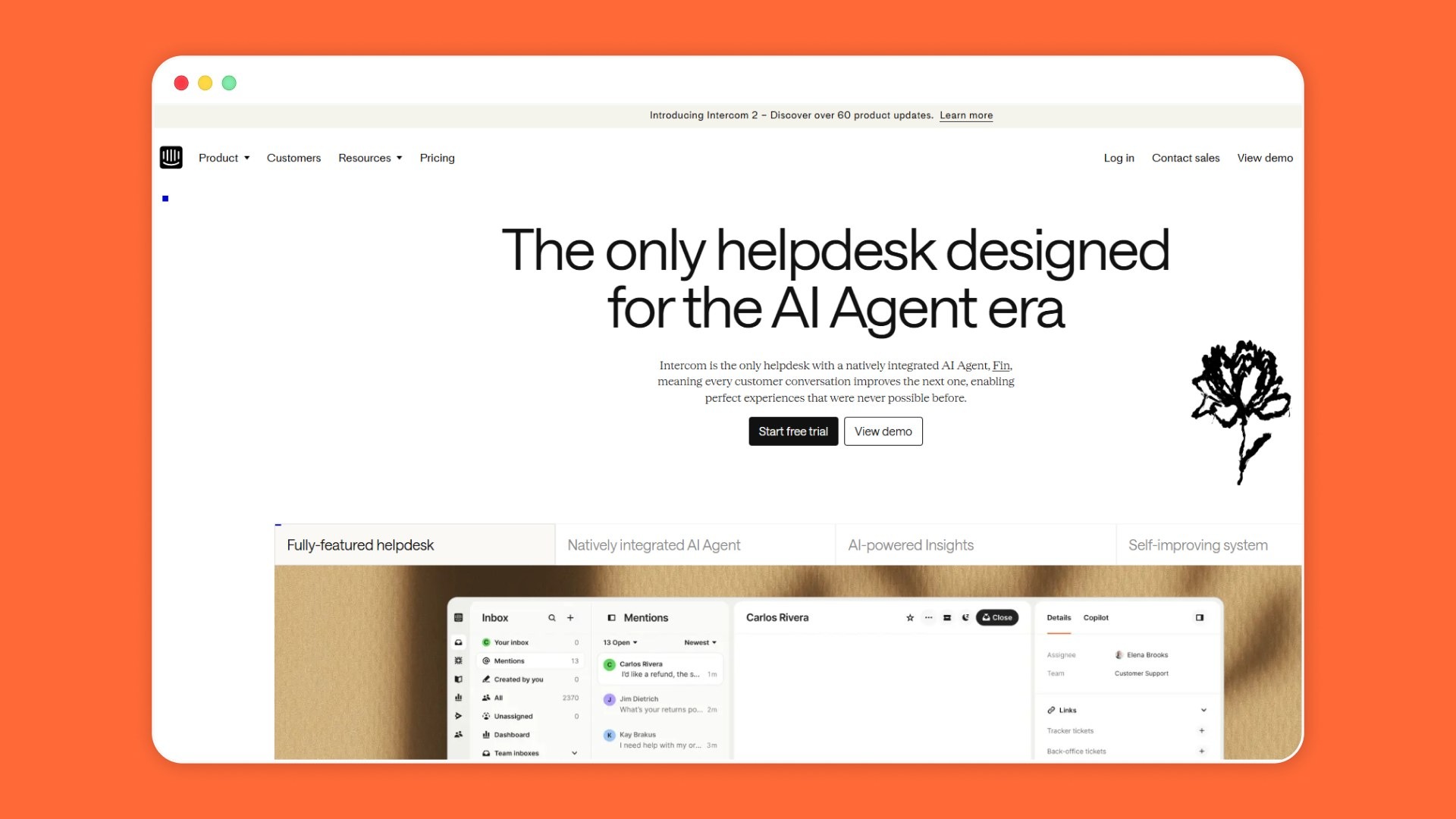
Intercom is an AI-powered customer service and messaging platform for brands that want support, sales, and customer engagement in one system. It fits e-commerce teams that need a shared inbox, AI replies, customer context, and proactive messages across channels, rather than a Shopify-first WhatsApp selling setup.
Key features:
Potential drawbacks:
Pricing: Intercom plans start at $29 per seat/month for Essential, $85 per seat/month for Advanced, and $132 per seat/month for Expert. Fin AI Agent pricing starts at $0.99 per outcome.

Manychat is a social-first conversational commerce platform for brands that sell through Instagram, Messenger, WhatsApp, and TikTok. It is useful for e-commerce teams that want to turn comments, DMs, and campaign replies into automated sales conversations, lead capture, and follow-ups.
Key features:
Potential drawbacks:
Pricing: Manychat offers a Free plan. Paid plans range between $14 and $139 per month, billed annually. Active contact limits and overage pricing apply.
Also Read: Best Live Chat Replacements for Customer Support
A conversational commerce company should help your Shopify store turn conversations into product discovery, checkout recovery, order support, COD communication, and repeat purchases. Use these factors to compare each option clearly:
Also Read: Top 15 Best Shopify Apps in 2026 Every E-Commerce Merchant Needs to Scale Sales and Automate Growth
The right conversational commerce company depends on your sales channel, support load, automation needs, and the depth of your Shopify workflow. For Shopify merchants, the choice should go beyond basic chat or ticket handling.
If your goal is to turn WhatsApp into a conversational sales and support channel, Zoko is built for that use case. Try Zoko free for 7 days and see how WhatsApp fits into your Shopify sales flow. Set up catalog browsing, cart recovery, customer conversations, COD updates, and follow-ups before committing to a paid plan.
No. Live chat is one channel, while conversational commerce connects chat with selling, support, product guidance, and order updates.
Conversational marketing focuses on engaging shoppers and moving them toward interest or lead capture. Conversational commerce goes further by helping customers complete buying actions via chat, including product discovery, cart recovery, order support, and post-purchase communication.
Conversational commerce may not be a good fit for stores with very low traffic, high-touch consulting sales, strict compliance needs, or customers who avoid chat platforms.
Expected conversational commerce trends include AI-assisted buying journeys, voice plus chat, in-chat payments, deeper personalization, automated order updates, and connected channels.



.svg)


