


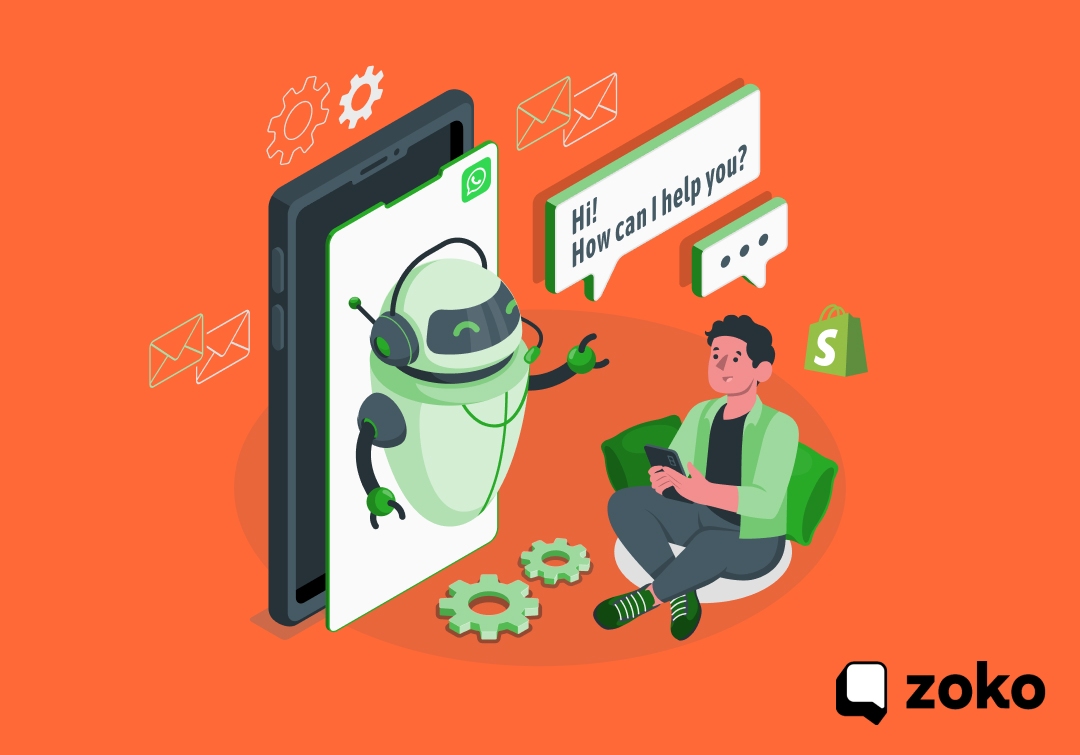

WhatsApp has come a long way from just being an app for chatting with friends. With over 3 billion people using it in over 180 countries, it’s now a major hub for businesses to connect with customers. But as your brand grows, so does the volume of conversations. Trying to keep up with it all manually is a significant challenge.
Let's face it, today's customers expect a lot. They want fast, helpful, and personal service. They don't have time for slow, generic replies that make them feel like just another ticket. This is where WhatsApp AI customer profiling steps in. It’s what helps you move from putting out fires to building real, personalized connections that actually grow your business.
In this guide, we’ll get into what AI customer profiling is, how it can transform your business, and what to look for in a platform that does it well.
AI-powered customer profiling uses artificial intelligence and machine learning to build dynamic profiles of customers by analyzing their behavior, interactions, and preferences. Unlike traditional methods that rely on static data and manual segmentation, AI continuously evaluates real-time actions, such as browsing habits, purchase patterns, and engagement with content, to create a complete 360-degree view of each customer.
When this AI profiling is combined with WhatsApp, it becomes even more powerful. By integrating AI with WhatsApp, businesses can use the real-time data from WhatsApp conversations to refine and update customer profiles instantly.
AI-powered customer profiling uses machine learning to analyze large datasets in real time, uncover patterns, and create dynamic customer segments. Traditional profiling relies on manual analysis and fixed demographic data, which limits speed and depth of insight.
These differences aren't just technical specs on paper. They translate directly into how you connect with customers and grow your revenue.
Also Read: WhatsApp AI for Enhanced Customer Service Strategies
Using AI profiling is not just about speeding up your support team; it can be a real engine for growth. When you truly get to know your customers, you can anticipate what they need, solve problems before they even pop up, and drive more sales.
Personalization goes beyond just using a customer's name. AI customer profiling tailors every message by using data such as past purchases, browsing history, and communication preferences.
Instead of sending a generic “New products are here!” message, you could send something like: “Hey [Name], I noticed you bought our running shoes last month. Our new moisture-wicking socks just launched and would pair perfectly with them. Want to check them out?”
Zoko makes this possible by integrating with Shopify, linking purchase history directly to WhatsApp chats. This allows personalized product recommendations, targeted offers, and even automated abandoned cart reminders.
Great customer service isn’t just about solving problems; it’s about preventing them. AI analyzes customer interactions to spot potential issues before they escalate.
For example, if there’s a sudden surge in questions about a shipping delay, AI can trigger a proactive WhatsApp message like: “Hi, we’re aware of a slight delay with your order. It’s on the way and should arrive by Friday.”
Not all WhatsApp messages are for support; many are from potential customers. AI acts as your frontline sales assistant, analyzing inquiries to determine a lead's intent, budget, and interest.
High-potential leads are then passed to a human sales agent with full context from the chat history, while casual browsers receive helpful, automated responses. This helps your team spend time on the leads most likely to convert.
AI-powered customer profiling uses data to create more accurate, real-time insights into your customers' behaviors and preferences. When integrated with WhatsApp, it increases customer engagement directly through the messaging platform. Here's how AI takes customer profiling to the next level:
Also Read: Boost WhatsApp Sales with AI Automation
When evaluating WhatsApp AI customer profiling tools, it is easy to get distracted by feature lists. The features below act as a basic checklist for separating surface-level automation from systems that can genuinely scale personalisation.
AI profiling is only as good as the data it can access. A good platform should be able to integrate deeply with your e-commerce store and CRM, pulling in purchase history, abandoned carts, product interactions, and order status.
This context allows WhatsApp conversations to reflect where a customer is in their buying journey. Without it, personalisation stays shallow, and recommendations feel generic.
Automation should reduce operational load, not create new technical dependencies. A strong platform allows teams to design and adjust workflows using a no-code builder, without relying on developers.
This makes it easier to respond to common scenarios such as delivery questions, return requests, or payment issues, while still adapting responses based on customer behaviour and profile data.
AI works best when it understands its limits. A reliable profiling system should detect signals such as frustration, confusion, or repeated follow-ups, and escalate the conversation to a human at the right moment.
When that handover happens, agents need full visibility into the customer’s profile and conversation history.
Message volume alone is not a useful metric. What matters is understanding how conversations influence outcomes. A well-designed platform surfaces insights such as common customer intents, peak engagement periods, drop-off points, and conversion paths tied to WhatsApp interactions. These insights help teams refine messaging, improve automation logic, and understand which conversations lead to revenue and retention.
Also Read: Real-Time WhatsApp AI Chatbot For Seamless Automation
If you’re a Shopify merchant looking to boost engagement and increase conversions, integrating AI customer profiling through WhatsApp is a game-changer. But how do you get started? Zoko’s platform simplifies the process with its seamless integration and easy-to-use tools. Here’s how you can leverage Zoko’s AI customer profiling in just a few steps:
The first step is to integrate Zoko with your Shopify store. With Zoko’s pre-built WhatsApp Business API integration, you can start profiling customers. No complex setup or coding needed. All it takes is a few clicks to connect your store’s customer data with WhatsApp.
Once integrated, Zoko’s AI engine automatically segments your customers based on their behavior and interactions. It identifies trends like purchase frequency, abandoned carts, and product preferences, automatically building customer profiles in real-time.
Based on your AI-powered customer profiles, WhatsApp messages are tailored to each individual’s preferences, past purchases, and browsing history. This boosts engagement and turns WhatsApp into a revenue-generating channel with smart recommendations and automated reminders.
AI profiling is not a one-and-done process. With Zoko’s analytics dashboard, you’ll get insights into your WhatsApp engagement rates, conversion metrics, and customer lifetime value. Track how your automated messages are performing and continuously refine your strategies.
Book a 7-day free trial to see how Zoko’s AI customer profiling can elevate your customer interactions and boost sales on WhatsApp.
The four types are demographic, behavioral, psychographic, and geographic profiling. Each helps tailor marketing by focusing on customer characteristics, behaviors, values, or location.
Common mistakes include using outdated data, neglecting privacy regulations, over-simplifying segmentation, and failing to update profiles in real-time, leading to irrelevant customer engagement.
Yes, WhatsApp uses end-to-end encryption, ensuring customer data is secure. Platforms like Zoko also comply with data protection laws like GDPR to keep data safe.
WhatsApp AI profiling uses real-time data to create dynamic customer profiles, allowing for more personalized and relevant interactions, unlike standard chatbots that offer static, scripted responses.
Top AI tools include Zendesk’s Answer Bot, Freshdesk AI, and Zoko. Zoko stands out for its WhatsApp integration and AI-driven personalized customer service.



.svg)


