


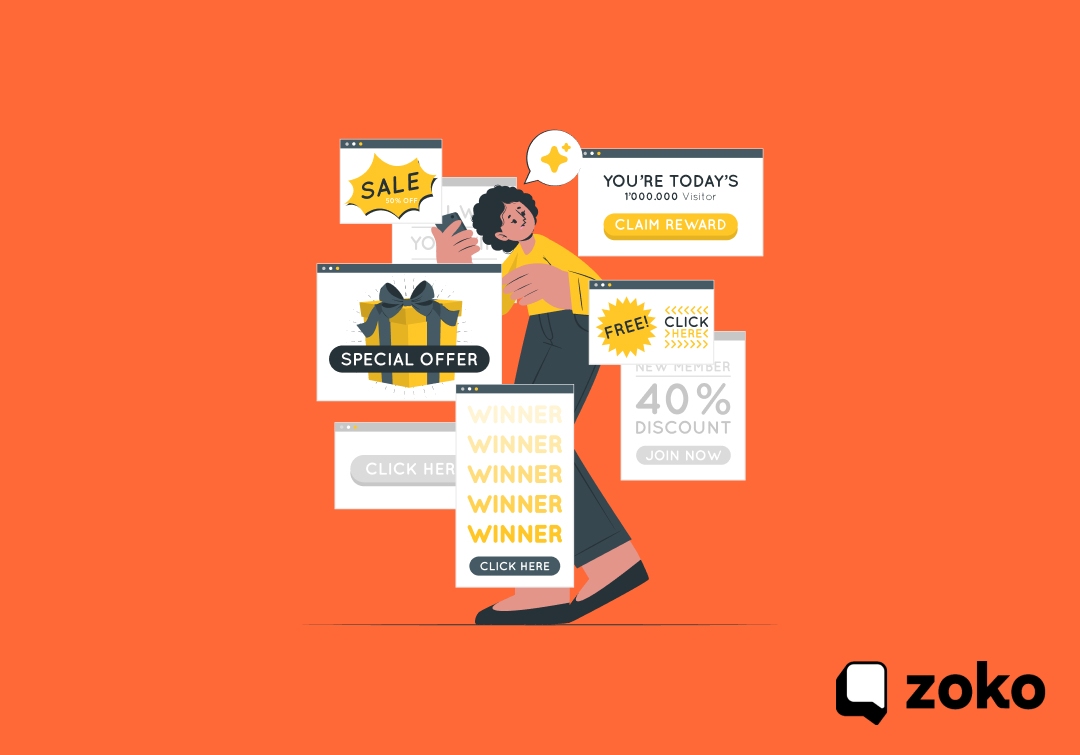

Online stores often struggle to convert casual visitors into paying customers, especially as competition for attention grows. Traditional pop‑up stores, while effective at first glance, tend to rely on generic offers, which customers quickly ignore. The solution lies in using AI-powered pop-ups that can adapt content and offers based on individual customer behavior.
In fact, research shows that AI-driven personalization can increase conversion rates by up to 18%.
By utilizing AI tools that analyze real-time customer data, online stores can deliver relevant pop-ups that boost engagement and drive sales. These tools enable real-time personalization by dynamically adjusting messaging and offers, just like WhatsApp automation.
In this blog, we’ll explore how AI-powered pop-up stores can drive e-commerce conversions by using intelligent triggers and adaptive experiences that respond to customer signals.
Key Takeaways
AI‑powered pop‑up stores are digital storefront elements that use artificial intelligence to tailor when and how promotional messages or engagement prompts appear to visitors. Unlike traditional static pop‑ups that follow fixed rules, AI‑powered versions analyze user behavior, actions, and intent signals in real time to determine the right content, timing, and offer for each visitor.
This might include adjusting the message that appears based on browsing patterns, purchase history, or interaction signals, making each experience feel more relevant to the shopper’s interests.
AI‑powered pop‑up stores bring together intelligent personalization and real‑time decision‑making to make onsite engagements more relevant and effective. For e‑commerce merchants, especially those on platforms like Shopify, these AI enhancements turn simple pop‑ups into data‑driven interactions that can capture attention, reduce drop‑offs, and increase conversions.
Below are the key benefits that matter most for online retailers:
Also Read: How to Create a WhatsApp E-Commerce Store for Your Website?
Understanding these benefits is one thing, but capturing them requires the right technology. The difference between a generic pop-up tool and an effective AI system comes down to specific capabilities that directly impact performance.
When selecting an AI-powered pop-up tool, choose one that offers advanced features to drive engagement and conversions. Here are the key capabilities to consider:
AI-powered pop-ups analyze visitor behavior and preferences to offer product recommendations tailored to their interests. This makes the pop-up feel like a helpful suggestion rather than an intrusive ad, significantly increasing engagement and sales potential.
A high-quality AI pop-up tool adjusts the text displayed in real time based on data such as a visitor's location, browsing habits, or purchase history. Whether the customer is a first-time visitor or a loyal shopper, they receive personalized messaging that resonates with them.
Headlines are crucial for grabbing attention, and AI tools can optimize them by personalizing them for each visitor. By crafting headlines tailored to user profiles, these tools can improve click-through rates and overall engagement.
Effective pop-ups appear at the right moment. A good AI pop-up tool uses behavioral triggers, such as scroll depth, exit intent, or time spent on a page, to detect when a visitor is most likely to engage. For instance, exit-intent pop-ups display targeted messages that prevent users from leaving without completing an action.
Ongoing optimization is key to a successful pop-up strategy. AI-powered tools with A/B testing capabilities let you experiment with different pop-up designs, messaging, and calls to action, ensuring continuous improvement and higher performance over time.
Precise audience segmentation is important for effective pop-ups. Advanced targeting allows pop-ups to be shown to the right audience at the right time, ensuring messages are relevant and impactful, which ultimately drives higher conversion rates.
Also Read: How to Use WhatsApp for Shopify Audience Segmentation
Much like AI-driven pop-ups, Zoko enables businesses to target specific customer segments based on real-time data and interactions. By using audience segmentation, you can send personalized offers, reminders, and product recommendations to the right shoppers through the most effective channels like WhatsApp.
A powerful analytics dashboard is essential for tracking pop-up performance. By providing insights into engagement metrics, conversion rates, and revenue impact, these dashboards help you make data-driven decisions and fine-tune your pop-up strategy, especially during key sales events.
Several brands have already implemented AI-powered pop-ups and generated concrete results that demonstrate what's possible when the right tools meet strategic execution.
Transitioning from "static" pop-ups to AI-driven ones has allowed these brands to stop guessing and start predicting what their customers want.
The portable blender giant, BlendJet, is a prime example of a DTC brand using AI to handle the "heavy lifting" of conversion.
Nike doesn't just use pop-ups; they use Intent-Based Triggers that feel like part of the user experience.
Also Read: How to Add a Shopify Pop-Up on Your Store
These examples demonstrate what AI pop-ups can achieve on your website. But capturing interest is only half the equation; the other half involves continuing that conversation where customers actually spend their time.
While AI pop-ups are excellent at capturing attention and identifying intent, the real conversion happens where the customer is most comfortable: their chat app.
Zoko is a dedicated WhatsApp marketing, sales, and support platform that allows e-commerce brands to manage their entire customer lifecycle through WhatsApp. By bridging the gap between a website visit and a personal conversation, Zoko helps businesses scale their revenue using the world’s most popular messaging app.
Start your 7‑day free trial today and see how Zoko can take your customer engagement and sales to the next level!
A pop-up notification is a message that appears on a website or app, usually in response to a user’s behavior. For example, an e-commerce site may show a pop-up offering a discount when a customer is about to leave the page or after browsing certain products.
To identify the app causing pop-ups, start by disabling all browser extensions or apps, then re-enable them one by one to check which one triggers the pop-ups. Alternatively, check the app's settings or contact the app support team for guidance.
AI-powered pop-up stores use real-time data to personalize offers based on user behavior, which makes them more relevant and timely. This targeted approach boosts the likelihood of visitors engaging and converting into paying customers.
Yes, AI-powered pop-ups can detect signs of abandonment, such as prolonged inactivity or incomplete purchases, and trigger targeted messages, offers, or reminders to encourage customers to finalize their transactions.



.svg)


