





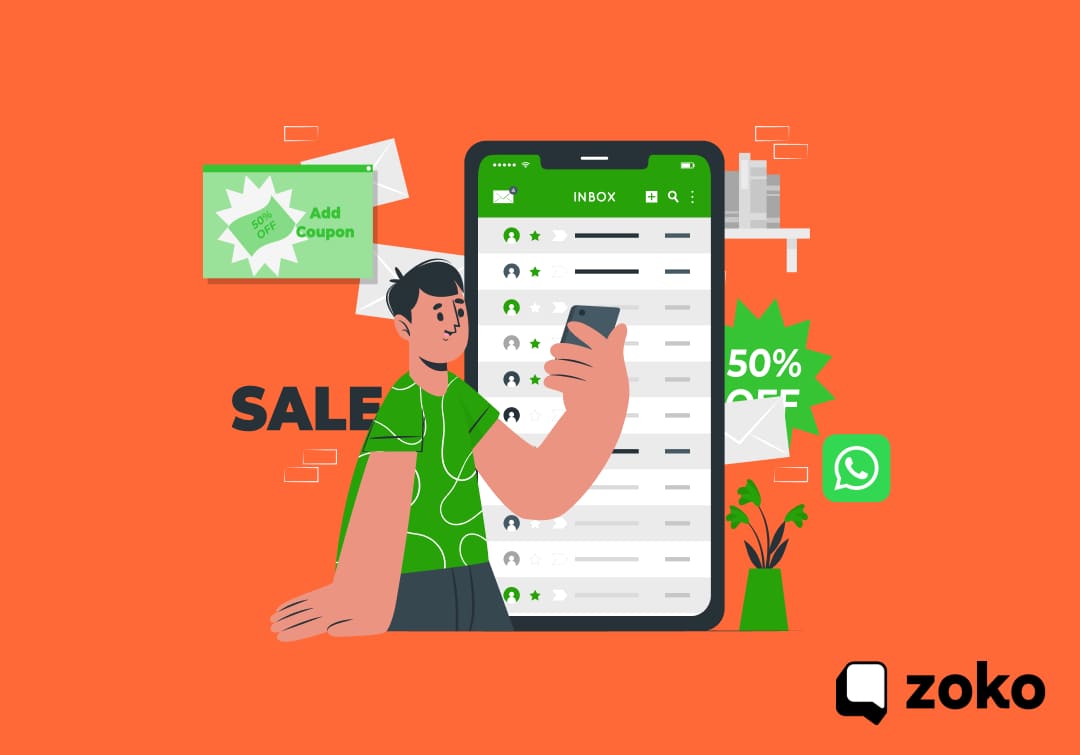

WhatsApp Frictionless Commerce: Build a Faster Customer Experience From Click to Order

WhatsApp Frictionless Commerce: Build a Faster Customer Experience From Click to Order
Many Shopify stores lose customers due to friction in the buying journey. A slow-loading product page, a complicated checkout process, or excessive form fields can all lead to abandoned carts. WhatsApp helps solve these problems by keeping customers engaged in a single seamless conversation, offering quick responses, and eliminating unnecessary steps.
Over 58% of customers feel more confident messaging a business than calling, filling out online forms, or emailing. WhatsApp's marketing messages also have an impressive 98% open rate, making them far more likely to be seen than email or push notifications.
But simply being on WhatsApp isn't enough. If customers still need to jump between links, repeat details, or wait for responses, you're recreating friction inside the chat.
This guide shows how Shopify merchants can use WhatsApp to eliminate these barriers, providing a smoother journey from click to order with fewer drop-offs.
Key Takeaways
- Friction is created by small, repeated barriers such as slow pages, lack of personalization, unclear information, delayed responses, and weak post-purchase communication. These issues compound and directly impact conversions.
- A frictionless commerce experience shortens the path from click to order by focusing on clarity, speed, and continuity at every step, from discovery and checkout to confirmation and delivery updates.
- Reducing steps matters more than adding features. Clear entry points, simplified browsing, fewer checkout fields, and visible progress indicators help customers move forward with confidence.
- Post-purchase communication is part of the buying experience, not an afterthought. Immediate confirmation and clear delivery expectations reduce anxiety and improve repeat purchase likelihood.
- WhatsApp supports frictionless commerce when used selectively, helping resolve hesitation, provide quick answers, and maintain continuity across the journey without forcing customers to switch channels.
What is Customer Friction?
Customer friction refers to any obstacle or delay that causes a potential customer to hesitate or abandon your conversion funnel or brand entirely.
Whether you're a B2C or B2B business, selling products or services, creating a frictionless experience is crucial for building brand loyalty and driving long-term conversion growth.
What Frictionless Commerce Means for Shopify Merchants?
For Shopify merchants, frictionless commerce is about removing unnecessary steps between intent and purchase. It focuses on making it easier for customers to get answers, choose products, and complete orders without delays, confusion, or repeated actions.
In a typical Shopify journey, friction shows up when customers have to:
- Switch between multiple pages to find basic information
- Wait for responses to simple questions like pricing, size, or delivery timelines
- Re-enter details they’ve already shared
- Navigate complex checkout flows, especially on mobile.
Common Sources of Friction That Hurt the Shopify Customer Experience
For customers, friction usually comes from feeling unseen, slowed down, or forced to think too much while trying to buy. It’s rarely one big issue. It’s a series of small problems that add up.
Here are the most common sources of friction customers experience:
- Lack of personalization: Customers expect relevance. When product suggestions, messages, or offers feel generic, they disengage. Seeing the same content regardless of browsing history or intent makes the experience feel impersonal.
- Slow or cluttered website experience: Long load times, heavy product pages, and cluttered layouts create immediate frustration. On mobile, even a few seconds of delay can break buying intent.
- Unclear product information: Missing details around sizing, pricing, delivery timelines, or return policies force customers to search or guess. If clarity doesn’t come quickly, they leave.
- Too many steps before checkout: Repeated form fields, unnecessary page transitions, and complex checkout flows make buying feel longer than it should.
- No quick way to get answers: When customers have a question and can’t get a fast response, momentum drops. They don’t wait. They move on.
- Poor post-purchase communication: After payment, customers want reassurance. Delayed order confirmations, unclear delivery updates, or slow support responses create anxiety and reduce trust, even if the purchase is complete.
Also Read: WhatsApp Shopify Post-Purchase Upsell Strategies Guide
Also read: How Voice-Assisted Commerce on WhatsApp Is Changing Buying Experience
How WhatsApp Enables Frictionless Commerce and Improves Customer Experience
Frictionless commerce is no longer a short-term response to changing shopping habits. It reflects a lasting shift in how customers expect to discover products, ask questions, and complete purchases. When paired with familiar channels like WhatsApp, frictionless commerce becomes even more effective at meeting these expectations.
1. Discovery Stage
At the discovery stage, customers are just beginning to learn about your brand and products, conducting research before making a purchase decision. The biggest barriers at this point are awareness and accessibility; customers can't buy what they don't know exists, and they can't purchase it if they can't find it easily.
While targeted paid ads are often used to address these issues, relying on a static landing page may lead to missed opportunities. Instead, imagine clicking on an ad and being taken directly into a WhatsApp conversation where potential customers can curate their experience from the start, thus allowing for personalized engagement and tailored product updates based on customer preferences.
2. Consideration Stage
As customers move into the consideration stage, they begin evaluating your product against competitors. This is when doubts may arise, and many abandon their carts, often without any opportunity for real-time support.
With WhatsApp automation, you can tackle the cart abandonment rate in e-commerce. Offering live chat through WhatsApp allows you to resolve customer doubts instantly, offering personalized suggestions or addressing concerns on the spot.
3. Purchase Stage
At the purchase stage, customers have decided what they want, but the checkout process can be a major point of friction due to complicated payment systems or form errors.
With WhatsApp integration, you can streamline this by sending pre-populated payment links directly to customers, making the payment process quick and efficient. Customers can save their preferred payment methods for future purchases, making the process even easier.
4. Post-Purchase Stage
The post-purchase stage is just as crucial, with customers expecting fast updates on their orders and quick resolution of any issues. WhatsApp can play a key role here by automating shipping updates, tracking information, and even handling returns.
By using WhatsApp to address issues quickly and efficiently, businesses can not only prevent churn but also earn customer loyalty.
Also Read: How to Set up the Reconfirm COD Orders - 2 Attempts (without auto cancel) Flow
The 6-Step Frictionless Commerce Flow From Click to Order
A frictionless customer experience is built by reducing effort, uncertainty, and delay at every stage of the buying journey. Customers drop off when the process feels slow, confusing, or demanding, even if they’re interested in the product.
The goal is to help them move forward with confidence, without forcing them to take unnecessary steps or follow rigid flows.
Step 1: Make Website Accessible
A slow or confusing website drives customers away. Make sure your site loads quickly, is easy to navigate, and has consistent messaging across platforms. Investing in good UX design and web development creates a smooth experience from the first click to checkout.
Step 2: Help Customers Find What They Need
Different customers come with different intentions. Make it easy for them to find what they’re looking for by improving search functionality and offering a personalized experience based on their needs.
Step 3: Simplify the Checkout Process
A complicated checkout process leads to cart abandonment. Streamline payment options, use trusted providers like Stripe, and offer digital wallets to make payments quick and easy while keeping it simple to avoid overwhelming customers.
Step 4: Offer Transparent and Fast Shipping
Unexpected shipping costs are a common barrier. Provide clear shipping rates and estimated delivery times, and consider offering tracking and status updates throughout the process to enhance the customer experience.
Step 5: Make Returns Easy
92% of shoppers say they’ll return to a brand with an easy return process. Simplify returns by removing barriers like packing and printing, offering swift refunds, and requesting customer feedback to improve your product offerings.
Step 6: Nurture Customer Relationships
Repeat customers build brand loyalty. Personalize offers based on previous purchases, include them in loyalty programs, and surprise them with discounts or gifts. Make customers feel valued to make sure they return time and time again.
Also Read: Understand Order Confirmation (Exclude COD Orders) Flow
How Zoko Helps Merchants Deliver Frictionless Commerce via WhatsApp
Zoko is a business solution built on the WhatsApp Business API, designed for Shopify merchants who want to deliver smoother customer experiences through messaging. By connecting Shopify with WhatsApp, Zoko enables merchants to reduce friction across discovery, purchase, and post-purchase stages while staying aligned with WhatsApp’s policies and platform rules.
- WhatsApp for Shopify Integration: Sync your Shopify store with WhatsApp so customers can see products, ask questions, and begin buying conversations without switching contexts.
- Automated Customer Journeys: Set up automated flows for key moments like abandoned cart reminders, order confirmations, and delivery updates. These reduce wait times and keep customers moving forward in the flow.
- Shared Team Inbox: Multiple agents can respond to inquiries from one unified inbox. This collaborative setup reduces response delays, ensuring no message is lost.
- Broadcast Campaigns and Segmentation: Send targeted updates, offers, or product recommendations at scale.
- Prebuilt and Custom Workflows: Zoko offers templates and workflows that help merchants automate repetitive tasks without heavy configuration.
- Transparent Pricing and Fair Use Model: A clear pricing structure helps merchants plan their frictionless commerce strategy without worrying about unexpected costs.
Get a free 7-day trial today and see how Zoko can help you build a faster, more seamless customer experience from click to order.
FAQs
1. What does frictionless commerce mean in a hybrid shopping world?
Frictionless commerce means customers can move between online and in-store shopping without delays or extra steps. They can browse, buy, and get fulfillment in the way that feels easiest at the moment.
2. Why do retailers need omnichannel setups for frictionless experiences?
Because customers expect all channels to work together as one connected experience, when inventory, fulfillment, and customer data stay aligned across channels, shopping feels seamless and reliable.
3. What makes a great customer experience?
A great customer experience feels simple, responsive, and consistent. Customers can find information quickly, get timely support, and complete actions without unnecessary effort or confusion.
4. What are the 4 P’s of customer experience?
The four Ps are Product, Price, Place, and People. Together, they shape how customers perceive value, accessibility, service quality, and overall interaction with a brand.
5. What does frictionless mean in business?
Frictionless in business means removing obstacles that slow customers down. It focuses on reducing steps, delays, and uncertainty so actions feel easy and intuitive.
Interested to know more?

Case Studies


















Featured Posts


Continue reading

The E-Commerce Divide: How the Top 10% of Brands Use AI to Grow 5X Faster (And Why It’s Not for Everyone)
Drive Sales with WhatsApp Catalog Integration: Here's How